



1. IIT Madras WSAI to Unveil 100 AI & Data Science Projects at the 2026 Annual Research Showcase
If you’ve been keeping an eye on the tech scene in India, you’ve probably heard the buzz about IIT Madras WSAI and its upcoming showcase. This year, the institute is set to unveil a whopping 100 AI and data science projects at the 2026 Annual Research Showcase, and the excitement is palpable. Whether you’re a student, a startup founder, or just a curious tech enthusiast, you’ll want to know what’s on the table, why it matters, and how you can get involved. Let’s dive into the details together.
2. Why This Showcase Is a Big Deal
First off, why should you care about another academic showcase? Good question. Here are a few reasons that make this event stand out:
- Scale and Diversity: From computer vision to natural language processing, the 100 projects cover a broad spectrum of AI and data science applications.
- Industry Collaboration: More than 30 companies, including giants like Google, Microsoft, and local startups, will be on the ground scouting for talent and partnerships.
- Student-Led Innovation: Most of the work is driven by undergraduate and graduate students, meaning fresh perspectives and out‑of‑the‑box ideas.
- Real‑World Impact: Many projects target pressing challenges—climate change, healthcare, agriculture—so the outcomes could reach far beyond the campus.
In short, the IIT Madras WSAI showcase isn’t just a poster session; it’s a launchpad for the next wave of AI breakthroughs in India.
3. What to Expect: Highlights of the 100 Projects
3.1. HealthTech Innovations
Healthcare is a recurring theme, and for good reason. Here are three standout projects you’ll see at the showcase:
- Early Disease Detection Using Multi‑Modal Imaging: This team combines MRI scans with wearable sensor data to spot early markers of neurodegenerative diseases.
- AI‑Driven Drug Repurposing Platform: By mining biomedical literature and clinical trial databases, the system suggests existing drugs that could treat emerging diseases.
- Smart Tele‑Diagnostics for Rural Areas: Leveraging low‑bandwidth video and edge AI, the solution enables doctors to diagnose patients in remote villages with minimal lag.
3.2. Sustainable Agriculture and Climate Solutions
India’s agrarian economy needs tech that works on the ground. These projects aim to bridge that gap:
- Precision Irrigation Using Drone Imagery: AI models analyze NDVI maps to recommend water‑saving schedules for each field block.
- Crop Disease Forecasting with Weather Data: A time‑series model predicts fungal outbreaks weeks in advance, giving farmers a heads‑up.
- Carbon Footprint Tracker for Small Farms: An easy‑to‑use app quantifies emissions from fertilizer use and suggests greener alternatives.
3.3. Smart Cities and Urban Mobility
Urbanization is accelerating, and AI can make cities smarter. Look out for these innovations:
- Dynamic Traffic Light Optimization: Reinforcement learning adjusts signal timing in real time to reduce congestion by up to 25%.
- Public Transport Demand Prediction: Using ticketing data and social media trends, the model forecasts ridership spikes, helping planners allocate resources.
- Waste Management Robot Swarms: Small autonomous bots coordinate to collect and sort waste, cutting collection costs dramatically.
3.4. Cutting‑Edge AI Research
Beyond applications, the showcase also features pure research breakthroughs:
- Zero‑Shot Learning for Low‑Resource Languages: The team creates models that understand and generate text in Indian languages with minimal training data.
- Explainable AI Framework for Black‑Box Models: By visualizing decision pathways, this framework helps regulators trust AI decisions in finance and law.
- Quantum‑Inspired Optimization Algorithms: These algorithms aim to solve large‑scale combinatorial problems faster than classical methods.
4. How the Projects Were Selected
The selection process is as rigorous as it is inclusive. Here’s a quick rundown of the stages:
- Submission Phase: Over 300 teams submitted project proposals, each limited to a two‑page abstract and a short demo video.
- Pre‑Screening: A panel of faculty members from the WSAI department filtered out proposals that didn’t meet baseline criteria—originality, feasibility, and relevance.
- Technical Review: External experts from industry and academia evaluated the shortlisted 150 projects on technical merit, scalability, and societal impact.
- Final Selection: The top 100 projects were chosen based on aggregate scores and a “wow factor” rating that looks for truly disruptive ideas.
What’s cool is that the process encourages interdisciplinary teams, so you’ll see computer scientists working hand‑in‑hand with biologists, economists, and even artists.
5. Who Should Attend?
Wondering if this event is for you? Here’s a quick cheat‑sheet:
- Students & Researchers: Great for networking, finding mentors, and showcasing your own work.
- Entrepreneurs & Startups: Spot potential co‑founders, grab early‑stage tech, or scout for investment opportunities.
- Corporate Recruiters: Identify top AI talent before they graduate.
- Policy Makers & NGOs: Learn about solutions that can be scaled to address public challenges.
- General Tech Enthusiasts: Get a front‑row seat to the future of AI in India.
6. Making the Most of Your Visit
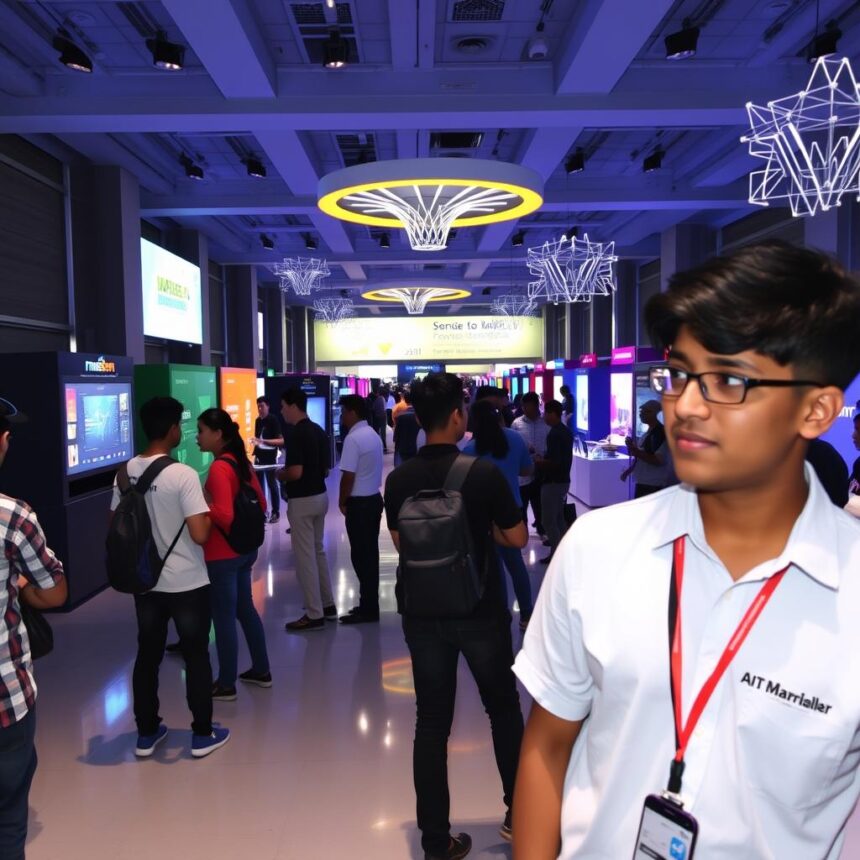
Walking into a hall with 100 projects can feel overwhelming, so here are some tips to maximize your experience:
6.1. Plan Your Route
Grab the event map (available on the official website) and mark the booths that align with your interests—whether that’s health, sustainability, or pure research. Allocate at least 5‑10 minutes per booth, and schedule short breaks to absorb information.
6.2. Ask the Right Questions
When you chat with a project team, try these prompts:
- “What problem are you solving, and why does it matter right now?”
- “Can you walk me through your data pipeline in a minute?”
- “What’s the biggest technical hurdle you’ve faced?”
- “How do you envision scaling this beyond the campus?”
6.3. Collect and Organize Materials
Take quick notes on a tablet or notepad. Most teams will share a QR code linking to a demo or a GitHub repo. Save those links in a dedicated folder—later you’ll thank yourself when you’re sifting through potential collaborations.
6.4. Follow Up Promptly
After the showcase, send a concise email (or LinkedIn message) to the teams you found intriguing. A simple “Great talk at the IIT Madras WSAI showcase—I’d love to discuss potential collaboration” goes a long way.
7. The Bigger Picture: What This Means for India’s AI Landscape
In the grand scheme, the 2026 Annual Research Showcase is more than a collection of 100 projects—it’s a signal of where India’s AI ecosystem is headed. Here’s why:
- Talent Pipeline: IIT Madras continues to be a cradle for AI talent, feeding both the corporate sector and the startup ecosystem.
- Cross‑Sector Innovation: By tackling problems in healthcare, agriculture, and urban planning, the showcase underscores AI’s role as a universal problem‑solver.
- Policy Influence: Government bodies often attend such events to gauge emerging technologies that could inform regulation and funding.
- Global Visibility: With international media covering the showcase, India’s AI capabilities are getting the spotlight they deserve.
All of this adds up to a thriving, collaborative environment that can accelerate AI adoption across the country.
8. How to Get Involved After the Event
Even if you can’t attend in person, there are plenty of ways to stay connected:
- Online Repository: A curated GitHub organization will host code, datasets, and documentation for most showcased projects.
- Webinars & AMA Sessions: Post‑showcase, the WSAI team will host a series of webinars where project leads answer live questions.
- Mentorship Programs: Sign up to mentor student teams—your industry experience could shape the next breakthrough.
- Funding Opportunities: Keep an eye on the IIT Madras Innovation Fund, which offers seed capital to promising projects.
9. Frequently Asked Questions
9.1. When and where is the showcase?
The event runs from March 12‑14, 2026, at the IIT Madras Convocation Hall. Registration is free for students and industry professionals.
9.2. Do I need to register to attend?
Yes, a simple online sign‑up secures your badge and provides access to the event app, which includes the schedule, maps, and live updates.
9.3. Can I present my own project?
The submission window closed in November 2025, but you can still apply for the “Spotlight Session”—a 5‑minute slot for emerging projects not selected for the main showcase.
9.4. Is there a virtual option?
Absolutely. All sessions will be streamed live, and you can explore virtual booths through the event platform.
10. Final Thoughts: Why You Should Be Excited
There you have it—a comprehensive look at what IIT Madras WSAI is gearing up to present at the 2026 Annual Research Showcase. The sheer diversity of the 100 AI and data science projects is a testament to the creativity bubbling up in India’s tech hubs. Whether you’re looking for inspiration, talent, or partnerships, this event promises to deliver on all fronts.
So, mark your calendar, register early, and get ready to be amazed. Who knows? The next big AI startup you meet could be sitting right across the hallway, waiting for a chance to turn an idea into a world‑changing solution.
See you at the showcase, and happy networking!